


Login/Sign Up

Biochemical Engineering
Bioprocess Technology
Industrial Biotechnology
Process Engineering
Biochemical Engineering (M.Eng.)
Intake
Winter + Summer
Engineering-driven biotechnology curriculum
Strong focus on industrial bioprocessing
GMP, automation, and real-world projects
Benefits
What's in It for You?

Engineering-focused biotechnology specialisation
Industry-relevant bioprocess training
Strong emphasis on GMP and compliance
Hands-on laboratory and process learning
Career-ready engineering skill development
International English-taught environment
Need to know more?
Get to know the Hochschule Fresenius University Biochemical Engineering (M.Eng.) Course in depth by downloading the brochure
Course Details
What Will You Gain from This course
The Biochemical Engineering (M.Eng.) programme at Hochschule Fresenius Idstein is an English-taught master’s degree designed for students seeking advanced engineering roles in biotechnology, pharmaceuticals, and chemical industries.
The programme integrates biochemical science with chemical and process engineering principles, enabling students to design, optimise, and manage complex biotechnological production systems. With a strong emphasis on industrial relevance, automation, and regulatory standards, graduates are prepared for engineering-driven careers in modern manufacturing and research environments.
Engineering application of biochemical and biotechnological processes
Advanced bioprocess design, optimisation, and automation
Strong focus on upstream and downstream processing
Integration of GMP, quality, and regulatory standards
ndustry-oriented projects and technical simulations
Master’s thesis focused on applied biochemical engineering
UniversityPrivate
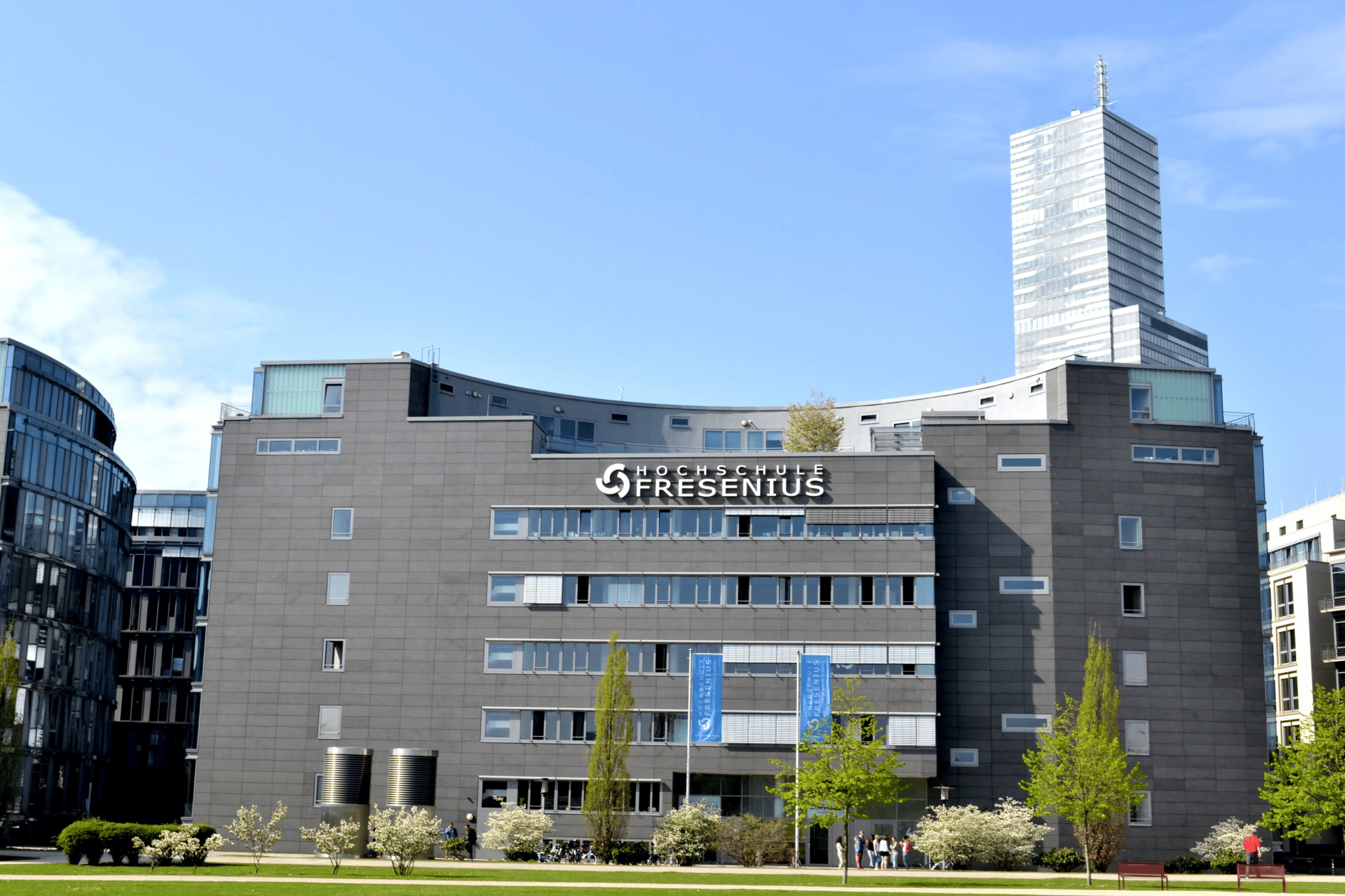
Hochschule Fresenius University
Hochschule Fresenius University of Applied Sciences is a private, state-accredited university in Germany known for its practice-oriented and career-focused education. With campuses across major German cities and a broad portfolio of Bachelor’s, Master’s and online programs, Fresenius gives international students the flexibility to study fields like business, tech, design, health and more with real-world relevance. The university emphasizes small classes, personal support, global partnerships and practical skills to help learners build industry-ready expertise and international opportunities.
Idstein / Berlin / Cologne / Dusseldorf / Frankfurt / Hamburg / Munich / Wiesbaden, Germany
- Cohorts
- 20+
- Alumni
- 60000+
- Founded
- 1848
- Ranking
- #7403
- Intake
- Winter + Summer
- Int'l Students
- 15%
Course Overview
Overview of Biochemical Engineering (M.Eng.) from Hochschule Fresenius University
This programme is structured to provide a deep understanding of biochemical engineering systems used in pharmaceuticals, biotechnology, food processing, and chemical industries. Students develop the ability to analyse biochemical reactions, optimise production efficiency, and manage engineering projects across interdisciplinary teams. The curriculum balances engineering theory, laboratory-based practice, and applied industrial projects, ensuring graduates are job-ready for technical and production-oriented roles.
Target Audience
Who is this Program For?
This programme is ideal for graduates with backgrounds in engineering, biotechnology, chemical engineering, or life sciences who want to pursue technical and engineering-focused careers. It is especially suitable for students aiming to work in industrial bioprocessing, pharmaceutical manufacturing, and biochemical production systems within international environments.
Skills
Skills you'll acquire
Biochemical Process Design & Optimisation
Industrial Bioprocess Engineering Skills
Upstream & Downstream Processing Techniques
GMP & Regulatory Compliance Knowledge
Engineering Project Management Skills
Process Automation & Systems Integration
1.
What is the focus of the Biochemical Engineering programme?
The programme focuses on applying engineering principles to biochemical and biotechnological processes, including bioprocess design, optimisation, automation, and industrial production systems used in biotechnology and pharmaceuticals.
2.
Is this programme suitable for biotechnology graduates?
Yes, graduates from biotechnology, chemical engineering, life sciences, or related fields can benefit from the strong engineering orientation and applied biochemical process training offered in this programme.
3.
Does the programme include practical and laboratory training?
Yes, the curriculum includes laboratory-based engineering training, applied biochemical projects, and process simulations that reflect real industrial production environments.
4.
What industries can graduates work in after completing this degree?
Graduates can work in biotechnology companies, pharmaceutical manufacturing, chemical industries, food processing, quality assurance, and research and development organisations.
5.
Is the programme taught entirely in English?
Yes, the Biochemical Engineering (M.Eng.) programme is fully taught in English and is designed specifically for international students in Germany.
Frequently asked questions

Contact Us
Have any query, ask here!


Courses
Quick Links
About Us
Blogs
Gallery
Contact Us
Office Addresses
Get Notified Every Time We Post An Offer
